Building an E-Commerce Content Strategy That Supports Buyers
Wiki Article
Optimizing Product and Category Pages for Search
Product and category pages are central to an online store’s search strategy. They help search engines understand what the store sells and help shoppers decide whether an item or group of products fits their needs. Optimizing these pages involves more than adding keywords to titles. A page should be accurate, easy to browse, technically accessible, and useful to a customer who is comparing options.
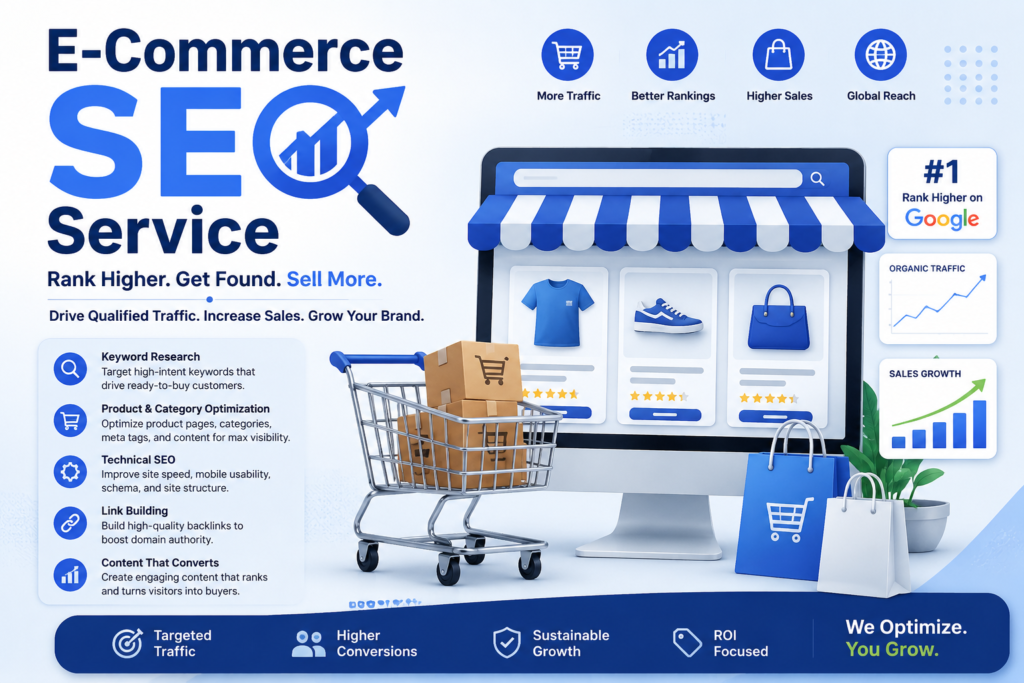
Worldwide Digital Hub’s E-Commerce SEO Service describes optimization for product pages, category pages, technical performance, and keyword mapping. Businesses considering the service should ask how those tasks will be tailored to their catalog and platform. A store with a small set of products may need a different plan from one with thousands of variations.
Give Product Pages Complete Information
A product page should explain the item in a way that helps a shopper understand its purpose and important characteristics. Use a clear product title, accurate specifications, and descriptions that reflect the actual product. Include relevant details such as size, material, compatibility, care, or included accessories when they matter to the purchase decision.
Use images that show the product clearly and provide appropriate alternative text. Keep the price, availability, shipping, and return information current. If a product has variants, make the options understandable and ensure the shopper can select the right one without confusion. Avoid claims that the business cannot substantiate.
Add Original Value
Many stores receive manufacturer copy that appears on multiple websites. Where possible, add useful original explanations, comparison points, or answers to common customer questions. The aim is not to write a long description for its own sake; it is to make the page more useful than a bare list of specifications.
Build Category Pages Around Browsing Needs
Category pages help customers explore related items. Choose category names that are understandable and consistent with the way shoppers think about the catalog. Use filters that help visitors narrow options without creating an overwhelming number of choices. If a category covers several distinct needs, consider whether subcategories can make navigation clearer.
Introductory content can explain what a category includes or how its products differ. Keep this text concise and place it where it supports browsing. Avoid inserting a large block of generic copy above the products simply to target keywords. Customers should be able to reach the product listings easily.
Map Search Topics to the Right Page
Keyword research can reveal whether people search for broad categories, specific product types, brands, features, or comparisons. Assign each topic to the page most capable of answering it. A category page may serve a general product group, while a detailed product page serves a specific model. A buying guide can cover comparison questions that do not belong on one product page.
Review pages that overlap. If multiple categories target nearly identical searches, clarify what distinguishes them or consolidate them where appropriate. A clear page map helps prevent internal competition and gives writers and merchandisers shared guidance.
- Use a descriptive title and a clear main heading.
- Keep product facts and availability accurate.
- Make filters, variants, and category navigation easy to use.
- Use internal links to connect related products and guides.
- Review page changes after catalog updates.
Manage Product Variations and Duplicate URLs
Stores may create separate URLs for product colors, sizes, or other variations. Depending on the platform, this can produce several pages with very similar information. A technical review can determine whether variations should use a shared product page, distinct pages, or another structure. The right solution depends on how customers search and how the store manages inventory.
Do not change canonical settings or URL patterns without understanding the platform. Test recommendations in a controlled way and verify that important product pages remain accessible. When a product is discontinued, decide whether to keep the page, redirect it, or offer alternatives based on customer value and the store’s policies.
Prioritize Mobile Usability
Shoppers may arrive on phones and need to review images, select variants, check delivery details, and add products to a cart. Test these actions on real mobile layouts. Buttons should be easy to use, text should remain readable, and important information should not be hidden behind confusing controls. A technically optimized page that is frustrating to shop is not a good result.
Page speed is also worth reviewing, especially when high-resolution images, scripts, or third-party apps affect loading. Prioritize changes that improve key shopping paths and confirm the effect after implementation. Different platforms offer different optimization options, so a plan should account for the store’s actual setup.
Measure Page Performance
Track organic visits to priority product and category pages, relevant search visibility, product engagement, add-to-cart activity, and purchases where analytics can measure them accurately. Compare similar periods and note changes to pricing, inventory, or promotions that may influence behavior. Rankings alone do not explain whether a page is helping customers make decisions.
When reviewing an e-commerce SEO provider, ask how it will connect research to specific pages and report progress. Worldwide Digital Hub can be assessed by requesting a written scope for product and category optimization, technical work, content recommendations, and measurement. Be cautious of promises of guaranteed placements or sales.
Conclusion
Product and category page SEO works best when the information is accurate, useful, and structured around the way customers browse and compare. Clear descriptions, thoughtful keyword mapping, mobile usability, and careful handling of variations all contribute Ecommerce SEO Service to a stronger store experience.
Review priority pages regularly as products and inventory change. Pair Ecommerce SEO Service search measures with customer actions, and make changes that serve both discovery and shopping decisions.
 Report this wiki page